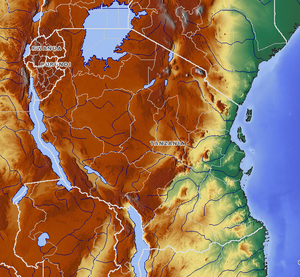
Tanzania is a country on the East coast of Africa. It is bordered by a few other countries. In the south, Tanzania is bordered by Mozambique, Malawi, and Zambia. To the west, Zaire, Burundi, and Rwanda border it. Uganda and Kenya border Tanzania in the north. The east of Tanzania is bordered by the Indian Ocean. The location of Tanzania has given it a valuable place in terms of weather, animal migration, and sea trade. It's location offers options not only to the people who inhabit the land but also those who travel by sea. The animals across east Africa also take advantage of the warm weather and cool temperatures of the mountains.
Tanzania has many gems within it. Some of those gems have long been discovered and some are only recently discovered. The Serengeti may be one of the well-known areas of Tanzania. It stands as the place that has the greatest concentration of migratory game animals in the world. A lot of animals migrate here from the surrounding countries in Africa. Within the Serengeti lies the Olduvai Gorge. This place is most widely known for being the site of well known discoveries. Leaky discovered fossil fragments from the early ancestors of humans. Another area that hosts a large concentration and diverse wildlife is the Eden of Ngorongoro. It is actually a twenty-mile wide volcanic crater! Lake Victoria is the largest lake on the continent and it is also the primary water source for the Nile. Dar Es Salaam is a major city in Tanzania. It is mostly a city that travelers go to in efforts to get to Zanzibar. Zanzibar is an island just off the coast of Tanzania. If you shift your focus from flat land to higher mountains, Tanzania has a few gems as well. Mount Kilimanjaro may be the most well-known mountain. It stands at about 19,340 feet. There is also Mount Meru that stands at 14,979 feet. Tanzania offers many gems of the land and there is much to be explored!
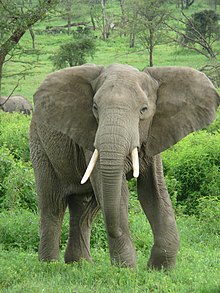
History of trading overseas can be traced back to the 900 AD. Tanzanians traded slaves, ivory, clothing material, and other products with India, Europe, China, and other surrounding countries. Zanzibar became a major trading post for ivory which attracted many greedy people. Tanzania went under control of the Germans for awhile then by Britain after World War II. The trade business in Tanzania brought a money flow but it also exposed the people to diseases and political instability. It also affected the wildlife in Tanzania; exposing them to poaching. Poaching laws have been in place but many disregard them. One aspect of poaching that is not always thought about is how do these laws affect the natives of the land. People of Tanzania have lived off the land for decades. This means they grow their food and hunt for their meat and warmth. Poaching has forced the country to make laws against hunting thus the people have been restricted to the food they can hunt. Today, Tanzania is a country with many gems but it is also politically unstable, weak in it's economy, and poverty stricken.


No comments:
Post a Comment