Wednesday, March 25, 2015

Tribal Dances and Tingatinga Paintings


    Tanzania art and music have influences from many cultures. Tanzania has a history that has been able to stay alive through art and music. Today there are many styles of music that has its roots in traditional African sounds and dance. The art of Tanzania includes sculptures, paintings, and wood carvings that preserve the culture of the people and beliefs to be passed down from generation to generation. 

   The Taarab is a genre of music in Tanzania. It has its roots in Islamic culture and is a blend of African, European, Arab Middle East, and East African instruments. Taarab is basically sung poetry. It is mostly used in wedding ceremonies today. Over the years hip hop and jazz have influenced the cities of Tanzania which is why Taarab is usually found in coastal areas today. During the 1960s Tanzania became influenced in their music by Latin and Cuban music. Tanzanian soldiers were in those countries and upon arriving home they brought some of this influence. This made way for Tanzania to create their own style of music. They called it 'Swahili Jazz". The 1960s is also when Tanzania became independent so creating this style of music gave the people an opportunity to be themselves. I believe music has had a huge impact on this country to become themselves and be creative. 
(Tingatinga painting)

    Paintings, sculptures, and wood carvings can be found in Tanzania as a way to depict their thoughts, ideas, and surroundings. Zanzibar is most famous for its carved doors and Arab chests. A famous painter, Edward Saidi Tingatinga was native to South Tanzania. His style of painting has flourished in the country, becoming the most widely known type of painting. When Edward passed away the country named his style of painting after him; "Tingatinga". This style can be found in most places of Tanzania and there are many artists who
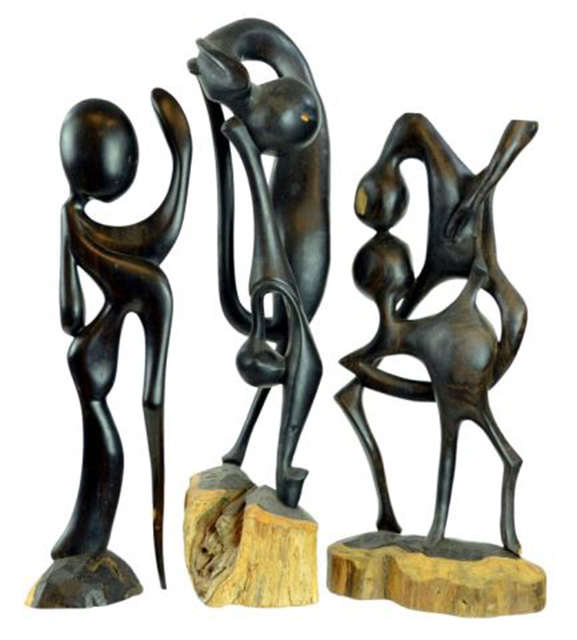
paint this style. These types of paintings are typically bright in color, illustrating superstitious beliefs or particular animal or scenery. Within the newspaper you can find cartoons and comics that can be traced back to pioneering artists. Tanzania is also known for its wood carvings. Wood carvings are mostly known by the name "Makonde art". Typically, wood carvings show nature like animals or people working however recently these wood carvings show off devils in different forms and family trees relating to the tradition of togetherness. This recent style of wood carving is known as "Shetani". These wood carvings in general are done by hand with iron tools on ebony wood.
    In general, music and art has helped preserve Tanzanian history. They also show case beliefs the people have and can give a glimpse into the life of the people. Tribal dances can tell a story sometimes better than words can and traditional art or paintings can lock images for years to come of the struggles, joys, and fears the people deal with. Even though music and art in Tanzania is influenced by other cultures it seems there is still a fight to preserve its history and make head way to creating their own identity for the future. 


Resources:
www.Britannica.com
www.press.uchicago.edu 

Wednesday, March 18, 2015

Gems of Tanzania


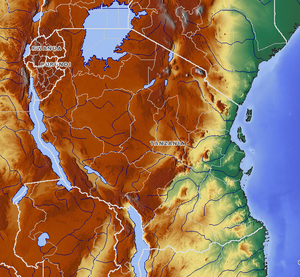
      Tanzania is a country on the East coast of Africa. It is bordered by a few other countries. In the south, Tanzania is bordered by Mozambique, Malawi, and Zambia. To the west, Zaire, Burundi, and Rwanda border it. Uganda and Kenya border Tanzania in the north. The east of Tanzania is bordered by the Indian Ocean. The location of Tanzania has given it a valuable place in terms of weather, animal migration, and sea trade. It's location offers options not only to the people who inhabit the land but also those who travel by sea. The animals across east Africa also take advantage of the warm weather and cool temperatures of the mountains.
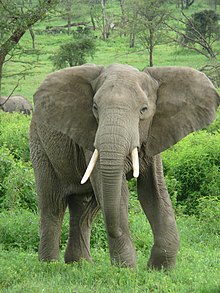
     Tanzania has many gems within it. Some of those gems have long been discovered and some are only recently discovered. The Serengeti may be one of the well-known areas of Tanzania. It stands as the place that has the greatest concentration of migratory game animals in the world. A lot of animals migrate here from the surrounding countries in Africa. Within the Serengeti lies the Olduvai Gorge. This place is most widely known for being the site of well known discoveries. Leaky discovered fossil fragments from the early ancestors of humans. Another area that hosts a large concentration and diverse wildlife is the Eden of Ngorongoro. It is actually a twenty-mile wide volcanic crater! Lake Victoria is the largest lake on the continent and it is also the primary water source for the Nile. Dar Es Salaam is a major city in Tanzania. It is mostly a city that travelers go to in efforts to get to Zanzibar. Zanzibar is an island just off the coast of Tanzania. If you shift your focus from flat land to higher mountains, Tanzania has a few gems as well. Mount Kilimanjaro may be the most well-known mountain. It stands at about 19,340 feet. There is also Mount Meru that stands at 14,979 feet. Tanzania offers many gems of the land and there is much to be explored!
     Tanzania offers many diverse geography. Since this is the case, the weather in Tanzania can vary from high temperatures to low temperatures. Typically at the coast one would find hot and humid weather. As one moves inward from the coast temperatures usually cool down. Tanzania also experiences rainy seasons lasting from November to early January and from March to May. The diverse climate and access to the ocean makes Tanzania attractive for animals and humans. Tanzania has about 17 national parks; supporting about 20 percent of Africa's large mammal species. This also attracts tourists to the country which can bring money into this poverty stricken country.
    History of trading overseas can be traced back to the 900 AD. Tanzanians traded slaves, ivory, clothing material, and other products with India, Europe, China,  and other surrounding countries. Zanzibar became a major trading post for ivory which attracted many greedy people. Tanzania went under control of the Germans for awhile then by Britain after World War II. The trade business in Tanzania brought a money flow but it also exposed the people to diseases and political instability. It also affected the wildlife in Tanzania; exposing them to poaching. Poaching laws have been in place but many disregard them. One aspect of poaching that is not always thought about is how do these laws affect the natives of the land. People of Tanzania have lived off the land for decades. This means they grow their food and hunt for their meat and warmth. Poaching has forced the country to make laws against hunting thus the people have been restricted to the food they can hunt. Today, Tanzania is a country with many gems but it is also politically unstable, weak in it's economy, and poverty stricken.